// University Open Doors Project

Chilled to the Bone

Game / 3D / VR / Narrative · 2024

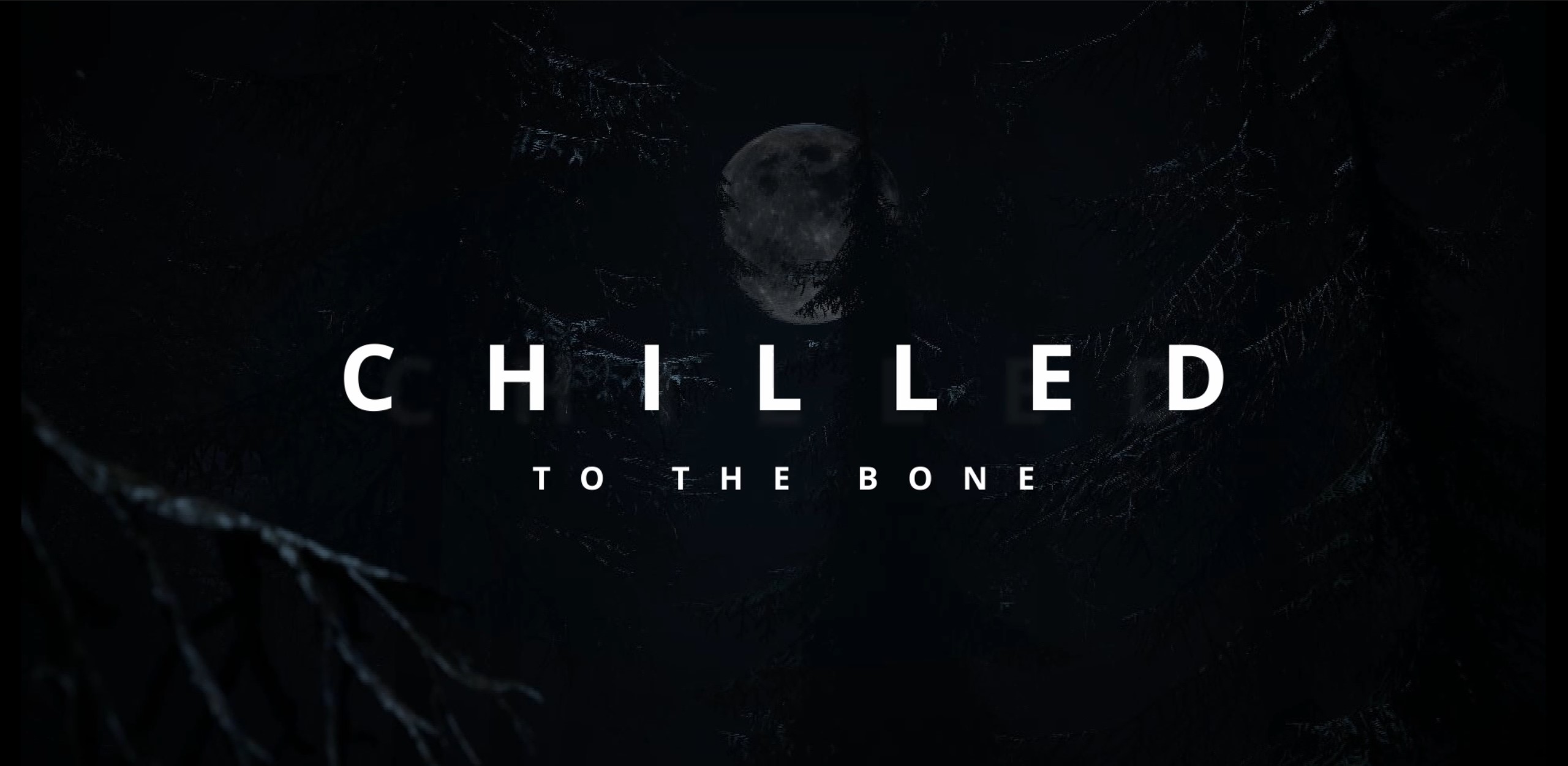
Chilled to the Bone is a first-person VR mystery prototype developed for the Open Day at the University of the Arts Bremen. The project was created as an interactive showcase to demonstrate the kinds of experiences that can be designed and developed within the Digital Media program.
Players explore a dark, snow-covered forest while uncovering fragments of a forgotten past through environmental clues and interactive objects. Rather than focusing on traditional combat or action mechanics, the prototype emphasizes atmosphere, exploration and narrative discovery.
The project combines immersive VR interaction design, environmental storytelling and world-building to create an experience that invites players to engage with both the medium and the creative possibilities of game development.

// Design Approach

Environmental Storytelling & Guided Discovery

The experience is driven by exploration and environmental storytelling. Players uncover the narrative through clues scattered across the world, including blood trails, damaged photographs, abandoned buildings and traces left in the snow.
A memory-trigger system gradually reveals the protagonist's past. Interacting with key objects or reaching specific locations activates audio monologues, allowing the story to unfold through discovery rather than exposition.


Key Design Elements

  • Memory-triggered narrative progression
  • Environmental clues and world-building
  • Audio monologues linked to exploration
  • Heartbeat and visual distortion effects to build tension
  • Psychological twist ending inspired by american folklore

// Technical Implementation

Building an Immersive VR Environment

The project was developed in Unreal Engine 5 with a focus on atmosphere, performance and VR immersion. Terrain generation began in Gaea before being refined in-engine using custom material painting and Nanite-enhanced landscape detail.
To create a dense forest environment at scale, vegetation was distributed using procedural generation workflows. Narrative events were implemented through Blueprint-based trigger systems that control audio playback, character appearances, level transitions and cinematic sequences.


Technical Highlights

  • Terrain generation with Gaea and Unreal Engine 5
  • Procedural placement of vegetation and environmental assets
  • Blueprint-driven event and narrative trigger system
  • VR interaction and free-locomotion controls
  • Custom particle systems, decals and environmental VFX
  • Character modification and weight painting in Blender